Dental Referral Centre in Weybridge
Fraenectomy

- Surgical Periodontal
- Fraenectomy
At the Oatlands Dental Referral Centre we deal with all parts of the mouth including the frenulum, a small fold of soft tissue and muscle that connects the lips, cheeks or tongue to the jawbone. If the frenulum is too short, thick or tight it can cause problems but this can be resolved by a simple process called a ‘frenectomy’.

Why might patients need a frenectomy?
There are several reasons why a patient may need some form of frenectomy such as the following:
Tongue tie– When the frenulum is too tight that it affects speech or tooth development. This is known as a ‘Lingual Frenectomy’ and is typically performed on children.
Closing diastemas– If the frenulum is attached too high on the gums we perform a ‘Labial Frenectomy’ so that the teeth are not pushed apart after braces have been used. It involves removing the soft tissue between the two upper front teeth.
Dentures– In some cases the frenulum can pull and loosen dentures so minor surgery is performed to help them fit better.
The Frenectomy Procedure
A frenectomy is a very simple procedure, which is performed with either a scalpel or a soft tissue laser. There is minimal bleeding and no stitches are required and postoperative pain is minimal. We use a local anaesthetic and can offer sedation to nervous patients as required.
What is the healing process?
It takes a couple of weeks for the area to heal and patients should brush their teeth carefully and use salt water or an antiseptic mouthwash during this time. Patients can take NSAIDs such as Ibuprofen if they experience any pain or swelling. Two weeks after the procedure we see the patient again to monitor the healing process.
Is the Frenectomy procedure risky?
Our practitioners have plenty of training and experience so the procedure is always carried out safely and correctly, and we have few complications. Patients may experience some swelling, bruising and tenderness but we monitor their recovery and can schedule follow-up treatment as necessary.
As well as providing a written treatment plan and reporting back to the patient’s regular dentist, we are always on hand to answer any queries or concerns the patient may have.
why refer?
 Highly Experienced Clinicians
 State of The Art Practice
 Friendly, Caring Team
 Bespoke Dental Treatment
contact us
127a Oatlands Drive
1st Floor Alfred House
Weybridge, Surrey,
KT13 9LB
Tel: 01932 858 686
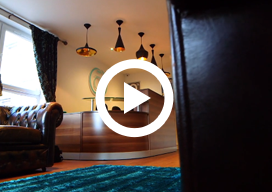
practice video